



Introduction
Herbal medicines include a good range of products that span from plants collected by people themselves to medicinal products extracted and purified from botanical sources. Many herbal medicines lack acceptable data on efficacy, safety, internal control, standardization and differentiation of indication (i.e. preventive, prophylactic, and curative). Herbal medicines have constituents with variable mechanisms of action that modify physiological functions. “Nutraceuticals” may be a word that was created by combining the words Nutrition and Pharmaceuticals, creating the concept’ that extracts from food may be used as drugs, i.e. food or dietary supplements.
Nutraceuticals (often cited as phytochemicals or functional foods) are natural, bioactive chemical compounds that have health-promoting, disease-preventing or medicinal properties. Phytochemicals could be a chemical dietary supplement that comes from plants. A test may be a form of research study that answers specific questions on new (and old) therapies or interventions. Clinical Trials are accustomed determine whether new drugs or treatments are, both safe and effective and whether new therapies offer advantages over existing “standard” therapies.
Herbal Clinical Trials
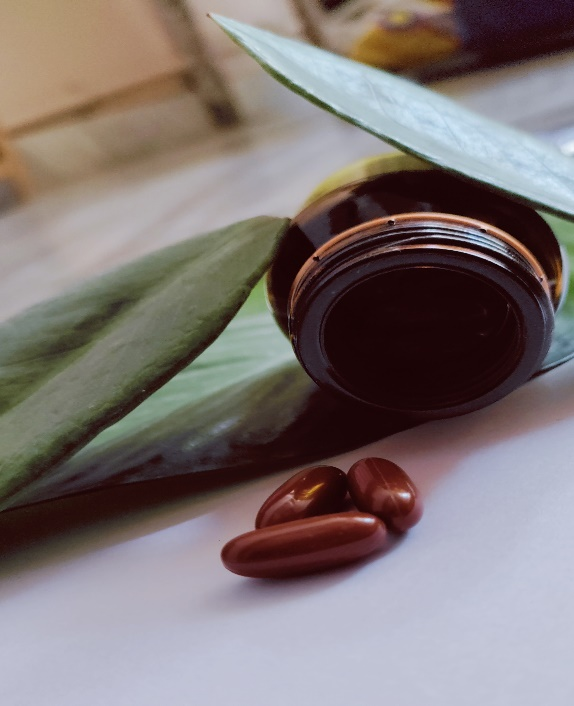
In order to conduct adequate clinical trials of any Complementary & alternative therapy but particularly herbal therapies, the well-informed and motivated physician should be a part of a team that ought to include herbalists, herbal practitioners, clinical epidemiologists, statisticians, nurses and technicians. If trials are to be used efficiently, and if evidence-based deciding is to succeed in its full potential, we’ll couple our efforts to extend the understanding of Randomized clinical trials with efforts to market a more robust understanding of the link between Randomized clinical trials and other study designs, between research information of all types and other forms of information, and between the information available to decision-makers, their values and preferences, and also the circumstances during which they’re making the selections.
Clinical Trial is conducted when there’s clear evidence that a specific herbal preparation has specific clinical activity. During this case, the motivation is to try and do a phase 1 clinical trial of an herb is also solely academic and should come after the herbal preparation are tested in efficacy trials. Clinical trial is also conducted within the evaluation of latest potentially effective herbal therapies that haven’t been previously evaluated to see clinical activity. The same old approach is to conduct a “pilot phase 1/2 clinical trial” particularly if there’s no previous data about the administration, dosage and safety of the herbal preparation. Phase 4 clinical trials although not randomized clinical trials these trials is also appropriate to judge patients using well-known, widely available herbal products. Strategies to conduct this kind of the studies using patient-self monitoring systems are described. This strategy can be useful in clinical studies of herbal products.
A typical herbal supplement that enters into clinical stage for the first time isn’t armed with much data. Lots are often dug out from the traditional use of herbal remedies, but plenty is commonly lost in translation from a conventional medical book to a contemporary clinical research protocol. Finding someone trained in both sciences complementary and alternative medicine (CAM) and clinical pharmacology can fill the void because of inadequate preclinical data. Within the event that the supplement or ingredient is lacking in both ethnobotanical and in vitro/in vivo animal data, the task of selecting the proper label claim for the clinical test becomes even tougher. Such trials are just supported by popular use without a long-time basis.
Nutraceuticals & Dietary Supplements Clinical Trials
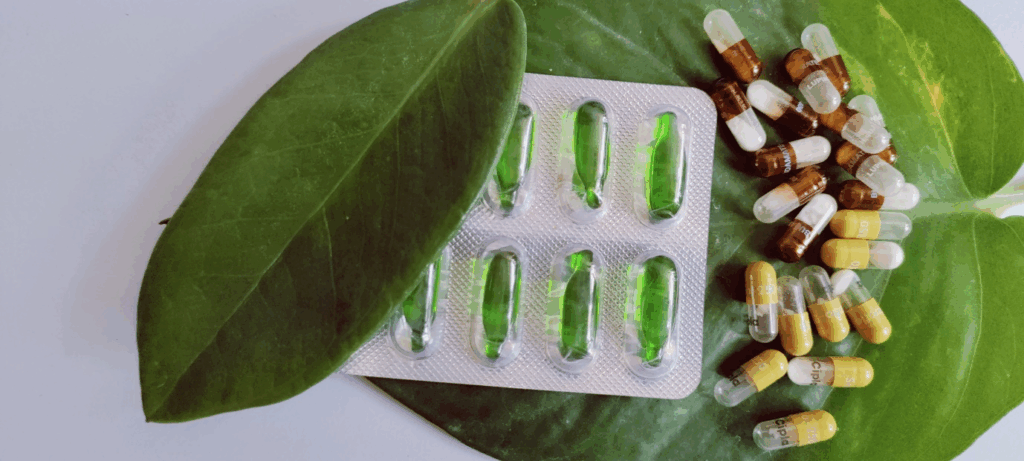
First, have a look at what happens in conventional drug discovery and development, which provides lessons for planning effective clinical trials for dietary supplements. Next, consider all research decisions from the purpose of view of the investigator and, more importantly, the trial subject (the patient) additionally to the sponsors interests. The primary clinical investigation of a lesser-studied nutraceutical becomes purely exploratory; not much is to be expected in terms of marketable outcomes. While such studies might not yield marketable outcomes. The study will enroll a general population and follow up frequently to induce a thought of onset of action and point when maximal response could also be achieved.
Since the dose isn’t known from earlier studies, subjects are going to be exposed to a comparatively high dose so as to elicit some response, if it exists the least bit. The expected outcome from such a study is that the birth of a claim statement or the hypothesis for the following study. Pilot study lays a powerful foundation for the following confirmatory or proof-of-concept (PoC) study. In supplement parlance, the claim definition study paves the way for a claim substantiation study. This transforms a known or observed effect (feature) into a claim of efficacy (benefit). Later, an outsized Simple Clinical Trial can establish the effectiveness (realizable benefit) of the ingredients because it is going to be used when marketed.
Conclusion
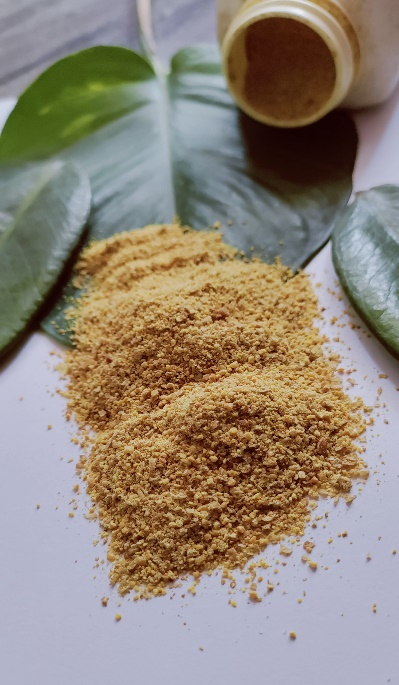
One of the strongest factors to choose primary claims in clinical trials is through obtainable within limited study budgets. It’s unfortunate that financials often play a greater role in shaping trial design and sample size than is desirable. Cost constraints not to mention overambitious marketing goals often seal the fate of the study even before it starts. If it’s difficult to conduct a confirmatory study on a sizable sample within the constraints of your time and budget in USA, Europe & Australia then one should act to contemplate offshoring it to Asian countries like India.
India is already a hot clinical trial destination for giant pharma as well as startup pharma, biopharma, medical device and biotech companies. Also, there’s no reason why cost and quality-conscious nutraceutical and herbal firms mustn’t look that way. Investing in an experienced research partner (CRO) early within the program can help companies design good and meaningful human studies. Conducting these studies within the most scientific manner is required and also another subject.
Reference:
- GMP for Botanicals
- https://nutraceuticalbusinessreview.com/
- https://www.naturalproductsinsider.com/
